A damaged aluminium glazing section is not automatically a replacement-only job: the visible defect may come from a failed gasket, loose setting block, blocked drain or movement in the glass. By the end, you will know how to diagnose the failure, make the opening safe, measure the original profile, choose the correct repair, and check the completed frame for drainage, alignment and load capacity.
Key takeaways
- Support the glass before loosening any frame member.
- Replace distorted profiles instead of forcing them straight.
- Measure the original section, glazing pocket and drainage paths.
- Check coating, fasteners, seals and water drainage after refitting.
Diagnose the damage before touching the glass
Isolate the opening before inspection, keep people away from the glass, and do not loosen a frame member until the pane is supported. Wear cut-resistant gloves and eye protection. Call a glazier for cracked, large, overhead or load-bearing glass.
1. Classify surface damage first. A scratch, faded powder coating or small paint mark that leaves the section straight, dry and firmly fixed is cosmetic. A loose gasket, distorted glazing bead, pulled-out screw, loose setting block or failed corner seal is a replaceable accessory problem.
Do not fit arbitrary rubber strip: the gasket must match the groove, glass thickness, hardness and sealant compatibility.
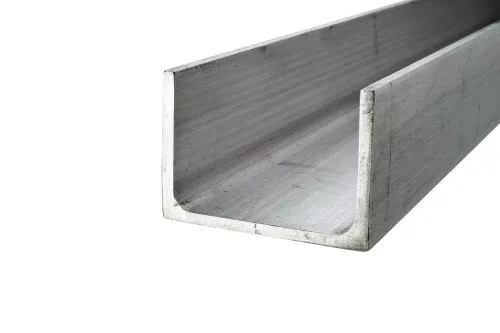
2. Check the aluminium extrusion along its full length and inspect adjacent mullions, transoms and corners. A bent, cracked, torn, badly pitted or permanently distorted section is damaged, not cosmetic. Straightening can thin the wall, deform the gasket groove and leave the glass unevenly supported, so replacement is normally safer.
3. Look at the glass itself. Fogging or liquid between sealed panes, a visible crack, shattered layers or a failed edge seal indicates a failed glass unit, even when the aluminium appears sound. Water staining also demands inspection of drains, pressure plates, gaskets and corner joints; hidden corrosion can weaken apparently intact sections.
Record photographs and the profile system before requesting a repair aluminium glass frame in mumbai. Do not order material from visible width alone: different sections hide different rebates, screw chambers and drainage paths. A supplier should inspect the frame before quoting removal or replacement.
Choose between straightening, part replacement and a new frame
Straightening is safe only for a shallow, non-structural bend outside the glazing pocket, gasket groove, screw ports and corner joints. Remove the glass or support it with a qualified glazier first; a cracked, large, overhead or load-bearing pane needs professional handling.
| Option | What it means | When it applies |
|---|---|---|
| Gasket or bead replacement | Replace the sealing or retaining accessory while keeping the profile | The extrusion is straight, its screw ports and gasket groove are intact, and the glass still has even edge clearance |
| Extrusion replacement | Remove the damaged mullion, transom, sill or bead and install a matching section | The aluminium is cracked, torn, badly pitted or permanently distorted, or straightening would reduce wall thickness and leave uneven glass support |
| Complete frame replacement | Rebuild the opening, including members, corners, anchors and glazing | Several sections are damaged, the frame is out of square, anchors have failed, corrosion has weakened adjacent members, or the repaired layout changes spans or mullion spacing |
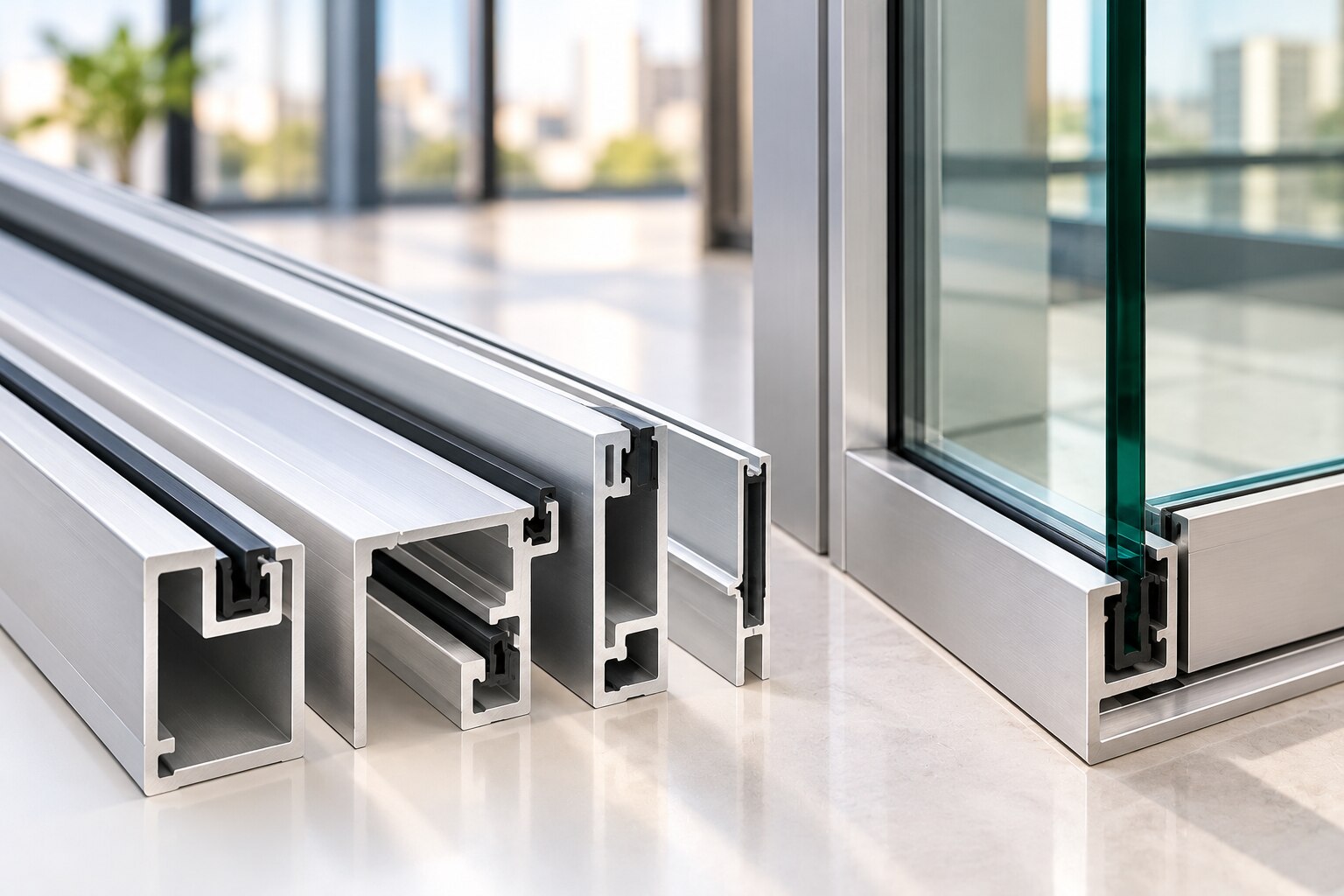
Commercial aluminium glass repair must include the surrounding frame. Check sill cavities and weep holes, gaskets, setting blocks, pressure plates and corner joints; sealant that blocks drainage can trap water and accelerate corrosion.
Before approving an extrusion, confirm glass thickness, edge clearances, retained profile and fixing positions. Recalculate wind-load suitability if spans, spacing, glass or anchors change. Choose the new frame when the repaired assembly cannot support the glass uniformly or keep water out.
Measure the original profile before ordering replacement material
A replacement that matches the visible face width can still fail. Before ordering damaged glass extrusion replacement, photograph the frame, find any manufacturer mark or section code, and measure an undamaged end or adjacent member. Do not rely on a generic angle or flat strip.
Record these details from the original profile:
- System manufacturer, section code, frame or sash type, and whether the piece is a mullion, transom, bead, pressure plate or cover
- Visible face width, overall depth, wall thickness, glazing-pocket width and depth, and the position and shape of screw chambers
- Glass thickness, gasket groove width and depth, gasket shape and hardness, setting-block position, and drainage-hole location
- Exact cut length, mitre angle, corner joint, splice, handedness, fixing-hole spacing and fastener type
| Detail | Measure or identify | Why it matters |
|---|---|---|
| System | Manufacturer and section code | Matching width alone cannot reproduce the chamber or joint |
| Glazing | Glass thickness, rebate and gasket groove | An incorrect gasket can pinch the glass or leave it loose |
| Structure | Wall thickness, screw-port position and span | A thin or misaligned section can weaken the repair |
| Fabrication | Cut length, mitres, drainage and handing | Wrong geometry prevents drainage and corner alignment |
Inspect adjacent members for corrosion, loose pressure plates, failed gaskets and blocked drains. Recheck wind-load suitability if the repair changes mullion spacing, transom span, glass thickness or fixing points; ask for this review when sourcing aluminium glass extrusion for repair in Mumbai.
Remove and refit the section without losing support or drainage
Support the glass before removing any bead, pressure plate or frame fastener. For aluminium glass extrusion section repair in mumbai, isolate the opening, cordon off the area, and use cut-resistant gloves and eye protection; call a glazier for cracked, large, overhead or load-bearing panes.
1. Photograph the frame, mark each cover, bead and pressure plate, then identify the sill weep holes and drainage path. Check adjacent mullions, transoms, corner joints, gaskets, setting blocks and screw ports for corrosion or movement.
2. Install temporary glazing supports before loosening the damaged member. Remove the inner beads or pressure plates in sequence, retaining the glass in its original position. Do not lever against the pane or allow its weight to hang from one corner.
3. Remove fasteners and the damaged extrusion, then clean old sealant and debris from the joint. Keep the sill cavity and every weep opening clear; sealing across a drain traps water inside the frame.
4. Fit the replacement section dry first. Confirm the mitres, screw-port alignment, glass pocket, gasket groove and adjacent faces, using isolating washers or tape where aluminium meets stainless steel, galvanised steel, copper-containing fittings or masonry.
5. Reinstall setting blocks, gasket, glass and beads in the original order. Apply compatible sealant only to the specified joints, leaving drainage openings open, then tighten fasteners evenly so the frame does not twist.
6. Check equal glass edge clearance, continuous gasket contact, square diagonals and free drainage. Spray-test the repaired area and inspect for movement, leaks or sealant bridging before removing the temporary supports.
Check the quotation, coating and finished installation
A low price often means the quotation covers only the replacement length, not the work needed to remove and reinstate the glazing. For commercial aluminium glass repair, ask for a line-by-line quotation before approving the job.
Whether you obtain aluminium glass extrusion for repair in mumbai from Aluminium World or another supplier, compare the same inclusions.
1. Check that the price separates profile supply, cutting, machining, removal, access equipment, glass handling, gaskets, fasteners, sealants, powder coating, testing and disposal. Confirm the cut length, mitre angle, finish, lead time, taxes and workmanship warranty in writing.
2. Ask the installer to inspect adjacent mullions, transoms, corner joints, pressure plates, screw ports, gaskets, setting blocks, sill cavities and weep holes. A failed joint or blocked drain can damage an apparently sound section. The repair must leave every drainage opening open; sealant bridging a weep hole traps water inside the frame.
3. Approve the coating sample beside the existing frame, not from a colour name alone. Record colour, gloss, texture and the expected difference caused by weathering or batch variation. Treat touch-up paint as cosmetic, not as an equivalent powder-coated replacement.
4. Before sign-off, require confirmation that the repair preserves glass thickness, support and fixing positions. If mullion spacing, transom span, retained profile or glass changes, ask for the wind-load design basis, including the applicable exposure assessment under IS 875 (Part 3).
Accept only after checking smooth operation, uniform gasket contact, sealed corners, unobstructed drainage and photographs of concealed work. A water test and written defect list give you evidence if leakage returns.
Related products
 | Aluminium Extrusions Aluminium Extrusions For Glass Minimum Order Quantity: 50 Kg Usage/Application Industrial Thickness 10 mm Surface Finishing Polished Alloy Or Not Is Alloy Color Silver Country of... View product → |
 | Aluminium Extrusions Length 12 Feet Shape Square Usage/Application Industrial Design Germany Thickness standard Surface Finishing standard We, “Aluminium World” are a... View product → |
Frequently asked questions
How do you diagnose damage in an aluminium glass extrusion section?
Isolate the opening, support the pane, then check the extrusion for bends, cracks, loose fasteners, failed seals and blocked drainage. Call a glazier for cracked, large, overhead or load-bearing glass.
Should you straighten a damaged aluminium section or replace it?
Straighten a section only when its shape, glazing pocket and fastener holes remain serviceable. Replace it when the profile is cracked, twisted, badly dented or no longer supports the glass and seals.
What must you measure before ordering a replacement aluminium profile?
Record the section’s visible width and depth, wall thickness, glazing pocket dimensions, glass thickness, screw locations, joint details, finish and drainage openings. Photograph the profile ends and corner connections.
How can you remove and refit an aluminium glass section safely?
Support the glass with suitable equipment before removing fasteners. Refit the section without blocking weep holes, preserve setting blocks and seals, and confirm that the pane has even support.
What should you check on a quotation and completed repair?
Compare profile alloy and finish, glass and seal specifications, labour, access equipment, disposal and warranty terms. After installation, inspect alignment, coating consistency, fasteners, seals, drainage and water entry.
Keywords