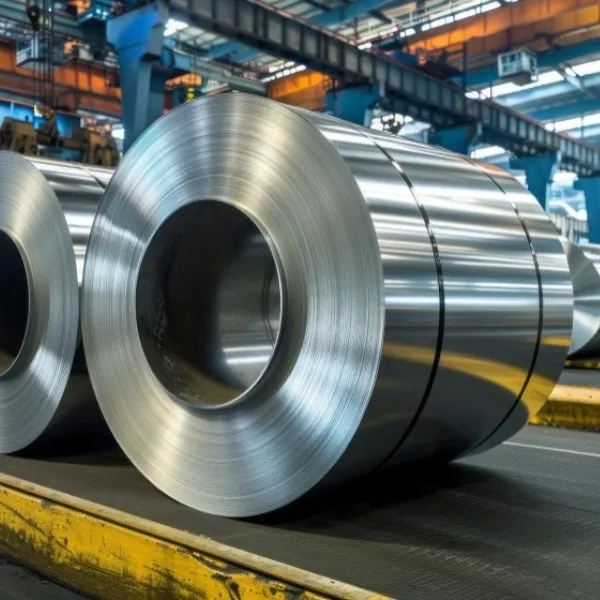
Aluminium coils support a wide range of manufacturing and processing applications because continuous rolled material can be efficient for high-volume production. However, coil purchasing involves specifications that can directly affect downstream processing.
For industrial buyers assessing an aluminium coil manufacturer, understanding these variables is essential.
What should an aluminium coil specification include?
A clear purchase requirement may include:
- Alloy
- Temper
- Thickness
- Width
- Coil weight
- Surface finish
- Tolerance requirements
- Intended processing method
Depending on the production line, internal and external coil dimensions may also matter for handling and equipment compatibility.
Why consistency matters in production
A production line depends on predictable input material.
Unexpected variation can influence feeding, cutting, forming or finishing operations. This becomes more significant when large quantities are processed repeatedly.
Procurement teams should therefore align material specifications with production requirements rather than selecting coil only by thickness and price.
Coil or sheet?
The choice depends largely on processing volume and equipment.
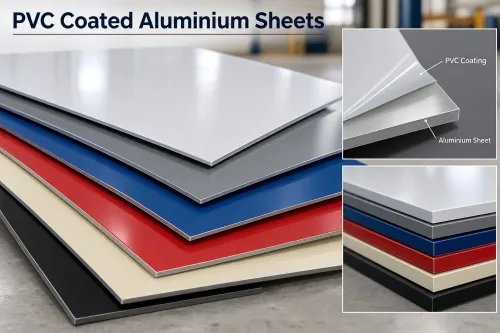
Coils can be practical for continuous or repetitive production because material can be fed through suitable machinery. Sheets may be easier for smaller batches or operations without coil-processing equipment.
The best format is the one that fits the buyer's manufacturing process.
Think about material utilisation
Industrial buyers should calculate yield before committing to a coil width.
If the width does not align efficiently with the finished component dimensions, significant edge scrap may be generated.
A small improvement in utilisation can become financially meaningful when purchasing high volumes.
Include logistics in purchasing decisions
Coils require appropriate handling and storage equipment.
Weight, lifting arrangements, unloading capacity and storage space should be checked before dispatch. This is particularly relevant for facilities in Mumbai where access or storage conditions may be constrained.
Aluminium World works with aluminium product requirements in Mumbai and can discuss supply needs based on dimensions, quantity and application. Industrial purchasers can speed up the enquiry process by sharing a structured material specification instead of a general request for coil pricing.
Compare suppliers on more than price
Useful evaluation criteria include specification consistency, quantity availability, documentation, supply planning and communication.
For recurring manufacturing requirements, dependable repeat supply can sometimes matter more than a small difference in unit price.
Procurement teams should also maintain approved material specifications internally. This reduces the risk of future orders being placed using incomplete descriptions.
Aluminium coil purchasing works best when procurement, production and engineering teams align their requirements. Once material parameters and processing needs are clearly defined, supplier comparison becomes considerably more meaningful.
Keywords