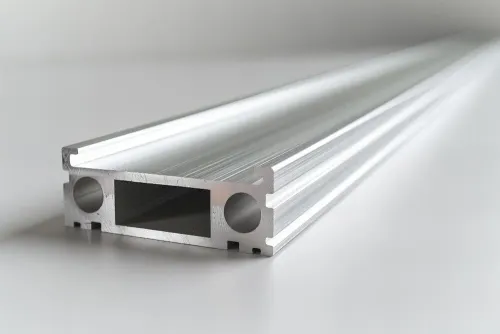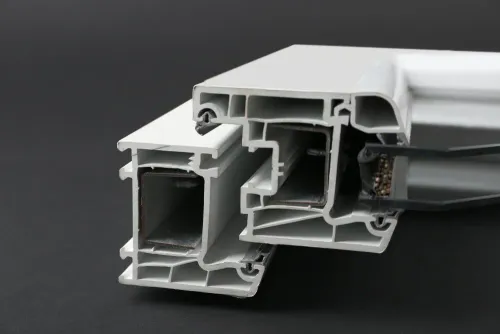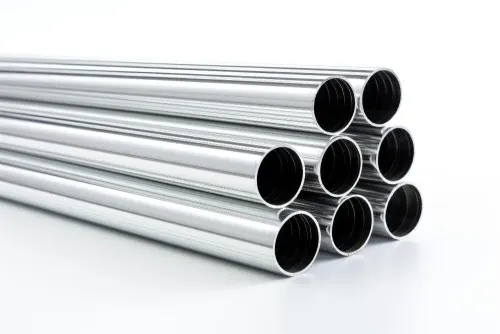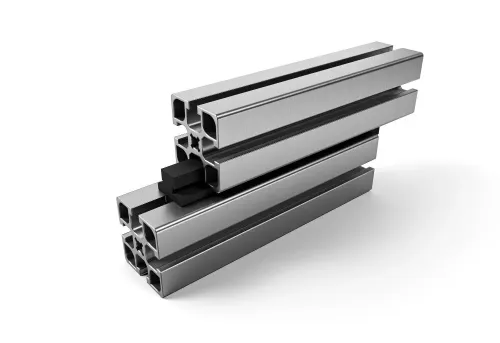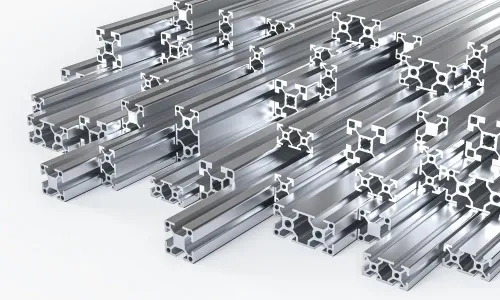
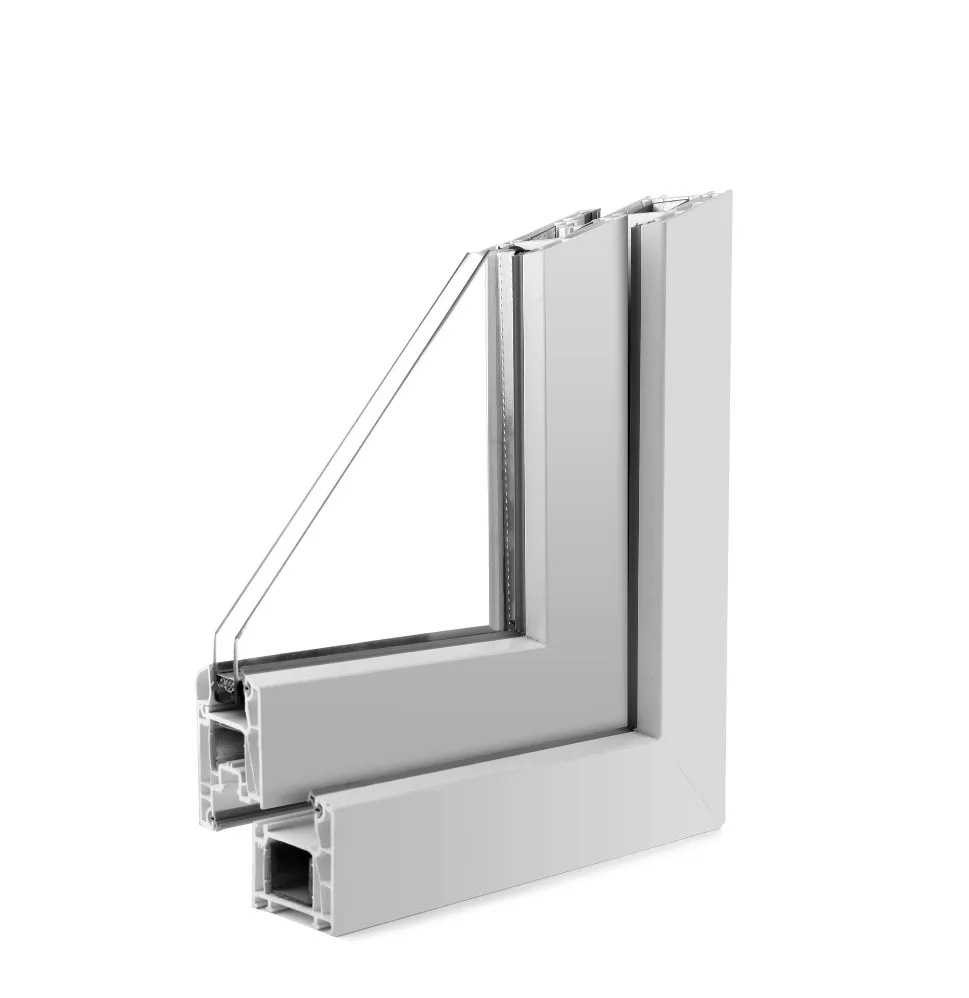
Slim aluminium sections have become increasingly relevant in contemporary architecture and interior design, where clients often want cleaner lines and larger-looking glazed areas. The aesthetic can be striking, but slim-profile selection still needs to be based on practical system requirements.
Architects, interior designers and contractors evaluating an aluminium slim section dealer should examine the complete application rather than choosing a profile solely because it appears narrower.
Why are slim sections popular?
Slim profiles can reduce the visual prominence of framing.
They are commonly considered for modern windows, glazed doors, office partitions and interior architectural elements where minimal visual interruption is desirable.
However, the narrowest-looking section is not automatically the right one.
Opening dimensions, glazing, configuration and hardware all influence suitability.
Start with system compatibility
Before selecting a profile, determine whether it works with the intended:
- Glass thickness
- Hardware
- Track arrangement
- Locking system
- Door or shutter configuration
- Fabrication method
Mixing components from incompatible systems can create operational and installation problems.
Inspect samples rather than relying only on images
Photographs are useful for design inspiration but provide limited information about actual profile dimensions and finish quality.
Where appearance is important, architects and designers should review physical samples or detailed section information.
This also allows the fabricator to understand the desired visual outcome before production.
Compare finish quality
Minimal designs draw attention to details. Surface imperfections, poor joints or inconsistent finishes can therefore become more noticeable.
Check whether the proposed finish suits surrounding materials such as glass, flooring, wall finishes and furniture.
For larger Mumbai interiors, maintaining consistent aluminium finishes across multiple spaces can help create visual continuity.
Ask whether the design is fabrication-friendly
A visually appealing concept still needs to be practical to manufacture and install.
Before freezing the design, discuss dimensions, joining methods, hardware placement and installation access.
Aluminium World serves aluminium product requirements in Mumbai for customers working across architectural, interior and fabrication projects. Sharing design drawings and application details can help determine which profiles align with the intended system.
Evaluate the complete cost
Slim-section projects should not be compared purely on aluminium rates.
Depending on the system, glass, specialised hardware, fabrication and installation may account for a meaningful portion of the total project cost.
Ask for a clear specification so competing options can be compared on the same basis.
Know when you are ready to order
A project is generally better prepared for procurement when opening dimensions are confirmed, the profile configuration is approved, glass requirements are defined, hardware has been selected and the finish has been finalised.
Resolving these details before material ordering reduces the likelihood of changes during fabrication.
For contemporary projects in Mumbai and the wider Maharashtra market, slim aluminium sections can support a refined architectural language when design and technical requirements are considered together. The objective should not simply be to use the thinnest frame possible, but to select a coherent system that delivers the intended appearance while remaining practical to fabricate, install and use.
Keywords