


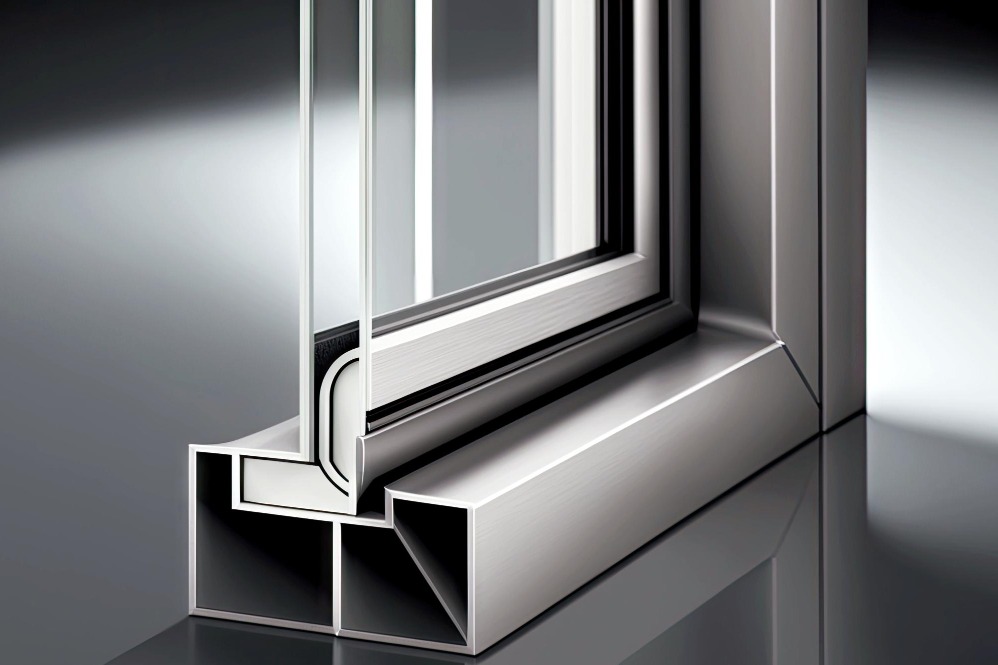
Selecting aluminium sections is not simply a matter of choosing a profile with the right dimensions. The alloy, profile design, wall thickness, surface finish, dimensional consistency and intended application can all influence how well the finished installation performs. This is why builders, contractors, architects and industrial buyers should evaluate an aluminium section manufacturer based on application suitability rather than price alone.
Mumbai has a diverse construction and fabrication market. Aluminium sections are used across residential towers, commercial buildings, retail interiors, offices, industrial facilities and renovation projects throughout Maharashtra. Different applications place different demands on the material.
For example, a section intended for a sliding window system may need precise channels and smooth mating surfaces. A profile used for a partition may be selected more for appearance, alignment and compatibility with glass or panels. Industrial applications can require completely different dimensions and performance characteristics.
What should buyers check before selecting aluminium sections?
Start with the actual application. Important factors include:
- Profile dimensions and wall thickness
- Aluminium grade or alloy specification
- Dimensional tolerances
- Required surface finish
- Structural and functional requirements
- Compatibility with hardware and accessories
- Quantity and supply schedule
- Fabrication requirements after procurement
Consistency becomes particularly important for projects involving repetitive installations. If profile dimensions vary from one batch to another, fabricators may face difficulties during cutting, joining, glazing or assembly.
Surface finish deserves equal attention. Depending on the project, buyers may require mill finish, anodised profiles, powder-coated sections or another specified finish. Architects and interior designers should define this requirement early because colour and surface treatment can significantly influence the finished appearance.
Think beyond the purchase price
A lower material rate does not necessarily translate into a lower project cost. Incorrect profiles, inconsistent dimensions or unsuitable finishes can result in additional fabrication work, wastage and installation delays.
Procurement teams should therefore compare the total purchasing value. Ask whether the supplier can provide the required specifications consistently and whether quantities can be planned according to the project schedule.
For large Mumbai projects, phased procurement may also be useful. It allows materials to arrive according to installation progress instead of occupying valuable site storage space unnecessarily.
Match the section to its final use
There is no single aluminium profile suitable for every application. Sliding systems, doors, partitions, architectural frames and industrial fabrication can all require different section configurations.
Aluminium World works with customers in Mumbai seeking aluminium products for varied fabrication and project requirements. Clear communication about drawings, dimensions, quantities, finishes and applications can make material selection much more efficient.
Before placing an order, prepare a simple specification sheet containing the profile type, dimensions, finish, quantity and intended use. It gives both procurement teams and suppliers a common reference point and reduces avoidable misunderstandings.
The right aluminium section is ultimately the one that fits the design, fabrication process and installation requirement together. Buyers who evaluate all three factors are better positioned to achieve consistent project outcomes.


