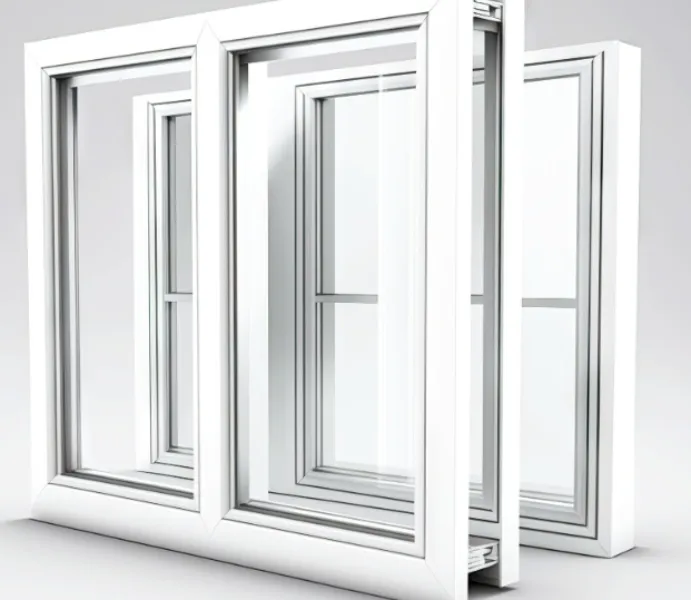
Window fabrication converts aluminium profiles, glass and hardware into a functioning system. Even when high-quality materials are specified, inaccurate fabrication can affect alignment, operation and overall appearance.
Choosing a capable window fabrication manufacturer therefore requires attention to workmanship as well as material selection.
Accurate measurements come first
The fabrication process should begin with confirmed opening dimensions.
For large projects, measurement records should identify each opening clearly so fabricated units are not confused during installation.
Renovation projects require particular care because existing openings may not be perfectly square.
Review fabrication details
Useful quality indicators include:
- Accurate cutting
- Square frames and shutters
- Clean joints
- Proper hardware preparation
- Consistent track alignment
- Correct glass positioning
- Neat finishing
These details influence both appearance and operation.
Ask how repeated units are controlled
Builders frequently require dozens or hundreds of similar windows.
Consistency becomes critical at this scale. Templates, approved samples and documented dimensions can help establish a reference before larger production quantities begin.
A mock-up or initial sample may be valuable on significant projects because it gives architects and contractors an opportunity to review configuration and finish.
Coordinate fabrication with construction progress
Mumbai construction sites can have limited storage and changing schedules. Producing every window at once may not always be the most practical approach.
Phased fabrication and delivery can align supply with floor-wise or zone-wise installation.
This can reduce unnecessary handling while helping project teams maintain better control over material.
Aluminium World supports aluminium and fabrication-related requirements in Mumbai for contractors, builders, designers and other buyers. Clear schedules, approved dimensions and defined finishes can help streamline discussions before production.
Avoid common procurement mistakes
One frequent mistake is approving fabrication before final civil dimensions are ready.
Another is changing hardware or profile systems after production has started. Even apparently small changes can affect dimensions and component compatibility.
Buyers should freeze essential specifications before bulk fabrication wherever possible.
Evaluate installation compatibility
Fabrication and installation cannot be treated as completely separate stages.
The finished frame must suit the actual opening and fixing method. Site conditions should therefore be considered while finalising fabrication details.
For projects throughout Maharashtra, contractors should also plan packaging and transportation carefully, particularly when fabricated windows must travel or be moved between floors.
A reliable fabrication process combines accurate measurement, appropriate material, controlled workmanship and coordinated delivery. Evaluating these factors before awarding an order gives buyers a better indication of whether a manufacturer can meet actual project requirements.
Keywords