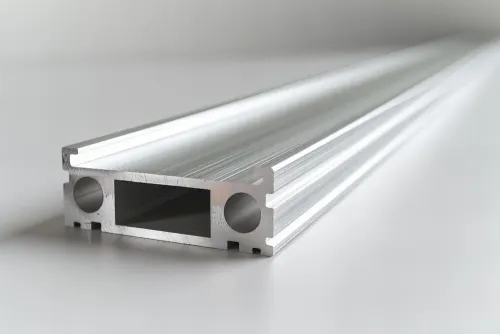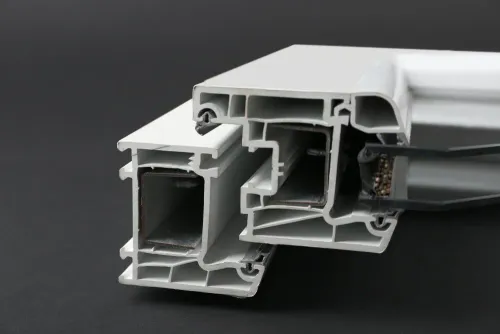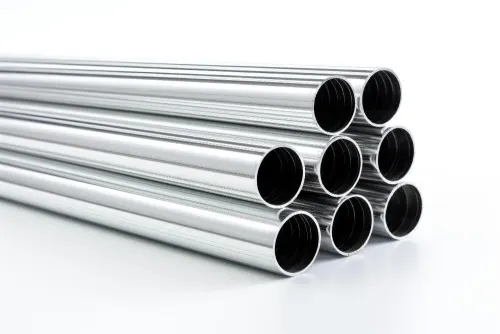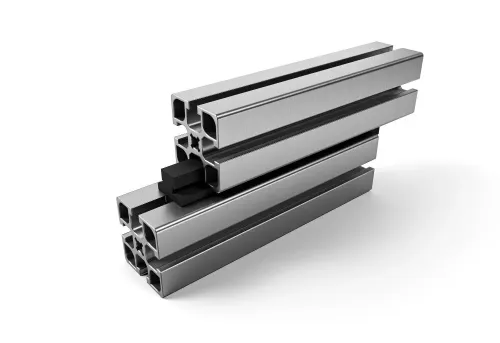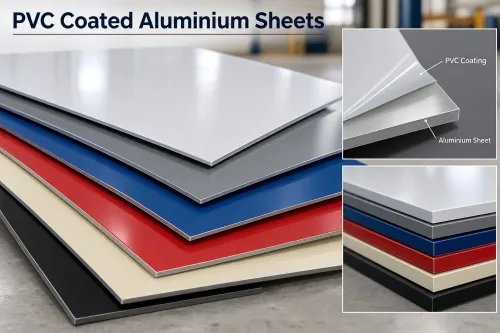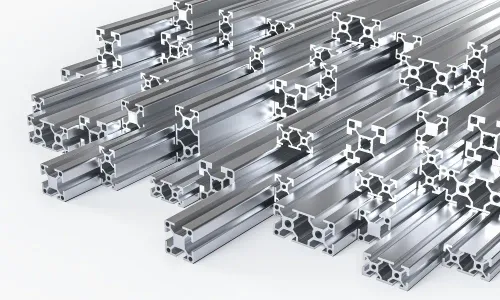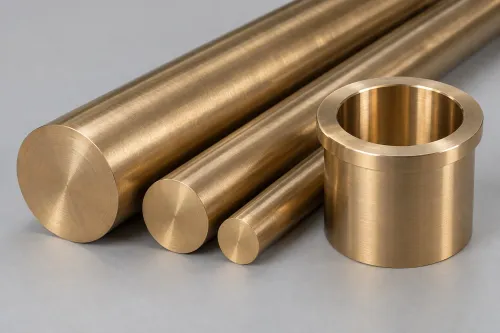
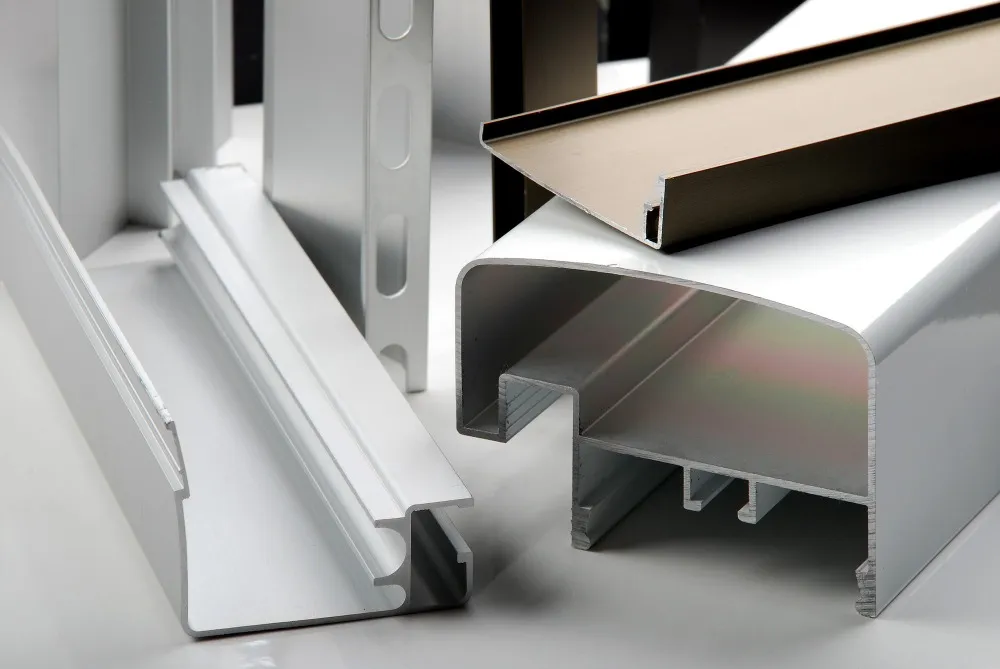
Aluminium products often need much more than basic cutting before they can become usable architectural or industrial components. Measuring, cutting, drilling, joining, assembling and finishing all influence the final result.
This is where an experienced aluminium fabrication manufacturer becomes relevant.
Across Mumbai's construction, commercial interior and industrial sectors, aluminium fabrication is used for windows, doors, partitions, frames, enclosures and customised assemblies.
What does aluminium fabrication involve?
Depending on the project, fabrication can include:
- Cutting sections to specified lengths
- Mitre cutting
- Drilling
- Slotting
- Joining
- Frame assembly
- Hardware preparation
- Sheet fabrication
- Surface-finished component preparation
The exact process depends on what is being produced.
A window frame, for example, requires different fabrication considerations from an equipment enclosure or office partition.
Why drawings matter
One of the easiest ways to reduce fabrication errors is to work from accurate drawings or approved dimensions.
Drawings help establish the relationship between components before material is cut. They are particularly useful for projects involving repeated units or custom assemblies.
Architects, contractors and procurement teams should confirm dimensions before production rather than relying on approximate site measurements.
Material selection and fabrication must work together
A good design can still create fabrication difficulties if the selected aluminium profile is unsuitable for the intended operation.
Profile dimensions, thickness and geometry should therefore be considered alongside cutting, joining and installation requirements.
Aluminium World supports aluminium product and fabrication requirements in Mumbai, where projects can range from individual custom work to larger commercial requirements. Providing technical information at the beginning helps align material selection with fabrication needs.
Plan fabrication around site readiness
Construction delays can occur when fabricated components are produced before openings or installation areas are ready.
For larger projects, a staged workflow can be more practical:
- Confirm drawings.
- Verify site dimensions.
- Approve material and finish.
- Fabricate according to agreed specifications.
- Coordinate delivery with installation readiness.
This reduces the risk of fabricated products sitting at site where they can be damaged or obstruct other work.
Quality is visible in the details
Buyers should inspect joint alignment, cut quality, dimensional accuracy, hardware preparation and overall finish.
For architectural products, appearance is particularly important because fabrication inconsistencies remain visible after installation.
Industrial buyers may place greater emphasis on dimensional accuracy and fit with other components.
Whatever the application, fabrication should be evaluated according to the function of the finished product.
The most effective fabrication projects begin with clear information. Accurate dimensions, drawings, finish specifications and realistic schedules allow manufacturers, contractors and project teams to work from the same expectations.
Keywords