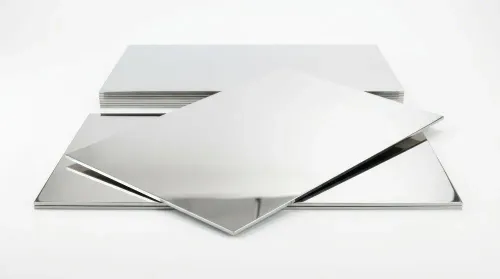
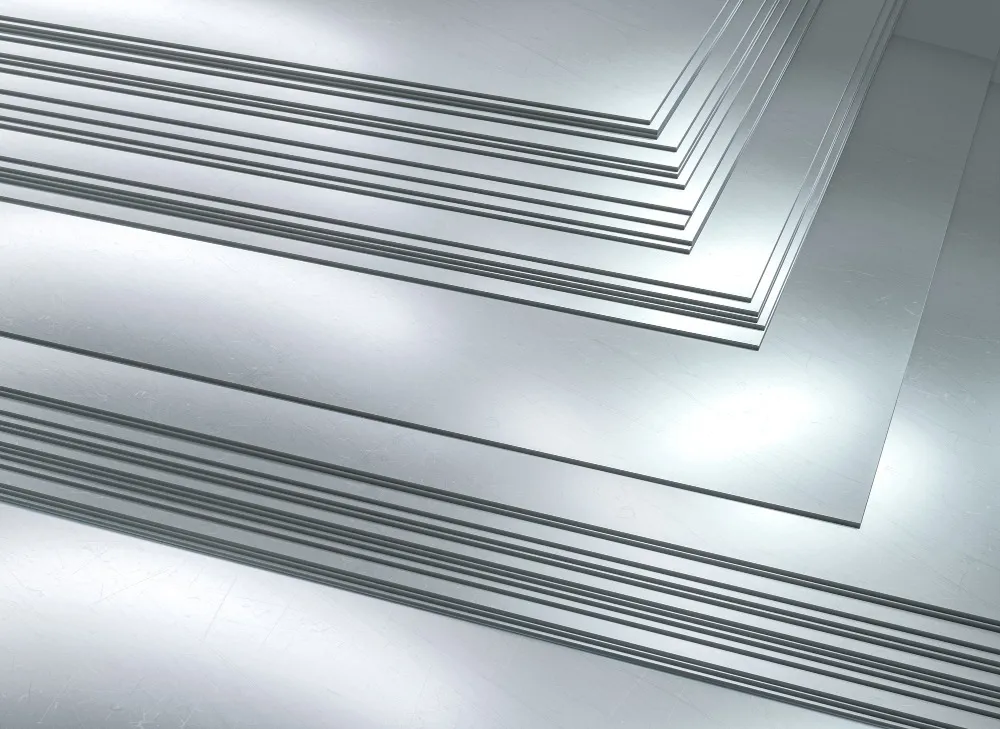
Aluminium sheet is used across construction, engineering, interiors, signage, equipment fabrication and numerous industrial applications. Because it is available in different thicknesses, alloys and finishes, buyers need to define the requirement carefully before comparing suppliers.
Choosing an aluminium sheet manufacturer or supply source should therefore begin with the end application.
Thickness is only the starting point
Many purchase enquiries identify only sheet dimensions and thickness. While these are essential, they may not be enough.
Depending on the application, buyers may also need to consider:
- Aluminium grade or alloy
- Temper
- Surface condition
- Flatness
- Finish
- Fabrication process
- Quantity
- Protective requirements
A sheet intended for decorative cladding may have different priorities from material that will be bent into an industrial component.
Consider what happens after purchasing
Will the sheet be cut, punched, bent, welded or machined?
This matters because downstream processing requirements influence material selection.
Procurement managers should involve fabrication or engineering teams before finalising material specifications, particularly when the sheet forms part of a functional component.
Minimise avoidable waste
Sheet utilisation can have a significant impact on project economics.
Before ordering large quantities, map component sizes against available sheet dimensions. An efficient cutting plan can sometimes reduce scrap without changing the design.
This is especially useful for manufacturers and contractors in Mumbai purchasing material for repetitive production.
Inspect surface requirements
If aluminium will remain visible after fabrication, surface condition becomes important.
Scratches that are irrelevant for hidden industrial parts may be unacceptable for architectural or decorative components.
Clarify whether the project requires a specific surface finish or protection during handling.
Aluminium World handles aluminium product requirements for buyers in Mumbai and can be approached with details such as sheet dimensions, thickness, quantity and intended use. Providing this information upfront makes product discussions more focused.
Plan storage correctly
Aluminium sheets should be stored and handled carefully to reduce scratches, dents and contamination.
On construction sites, materials should be protected from activities that could damage exposed surfaces. Industrial buyers should similarly consider how sheets will move from storage to cutting or fabrication areas.
Evaluate total material efficiency
The lowest rate per sheet does not always produce the lowest component cost.
Material utilisation, scrap generation, processing behaviour and handling losses all contribute to the actual cost.
A purchasing team comparing options should therefore ask a more useful question: how much does the aluminium cost per acceptable finished component?
That perspective turns sheet procurement from a commodity purchase into a more informed manufacturing decision.
Keywords